文章

一句「Yes, I want」就讓你的英文露餡了!(上)

圖片
  問:「Do you want an ice-cream?」 答:「Yes, I want!」 相信很多人都會聽過這樣的回答——你知道這個回答有什麼錯誤嗎? 如果你還依稀有印象,小時學習英詞動詞時應該有接觸過句子基本結構吧!一般來說,英詞主動句子的簡單句式是: 主詞 (subject)+ 動詞 (verb)[+受詞 (object)] 主詞即進行這個動作的人或物,如我、你、他或物件等等;動詞就是主詞進行的動作;至於受詞就是接受這個動作的一方。但有很多動作是沒有受詞的,例如 My arm hurts. 或 The toilet stinks. 在這些情況下使用的動詞便稱為「不及物動詞 (intransitive verb)」,即該動作只以主語為目標,沒有受詞。 而相對於「不及物動詞」就是「及物動詞 (transitive verb)」了,使用時必須要於該動作後加上受詞,文法和意義上才算完整,例如 The trip takes one hour.  She gives me a letter. I want an ice-cream. 由此可見,及物動詞不能作為句子的結尾,因為這會導致意義上不清晰:  The trip takes (how long?)  She gives (what?)  當然,最重要的就是 want 是及物動詞,一般不能作為句子結尾,必須要連上受詞才行,故文章開首的問題文法上正確的回答應為 Yes, I want an ice-cream / it. 或 Yes, I do. 或祗是簡單的 Yes. 留意第二種回答是利用問題本身的助動詞 do 來省略重覆的問題內容,就如有人問 Can you swim? 時回答 Yes, I can / No, I cannot 一樣,在這裡助動詞為 do,故可以用 do 或 don't 來完結句子。關於助動詞還有很多值得講解的地方,有機會再詳述。 由於英語是世界最流行的語言,我們常常會聽到很多地方化的口音或句法——新加坡人喜歡在句子後面加上「lah」就是一個例子。正所謂約定俗成,有些用法大家用慣了、聽得多可能就會當作沒問題;但要知道在英語能力比較好的人耳中聽起來,可能一下子就會知道你的英文水平如何。你願意滿足於此嗎? 不過凡事總有例外。請繼續看 下文 ...

Yes, I have. — 這個回答有什麼文法錯誤?

圖片
  承接早前 《一句「Yes, I want」就讓你的英文露餡了!》 一文的內容,以下的英語用法也是常見的錯誤之一: 問:Do you have the latest iPhone? 答:Yes, I have. 如前文所言,及物動詞不能作為句子的結尾,因為這會導致意義上不清晰;而 have 作為主動詞時是及物動詞 ,不能成為句子結尾,必須要連上受詞才行,故其正確的回答應為 Yes, I have the latest iPhone / it. 或 Yes, I do. 且慢!我明明聽過只說 I have / I haven't 的! 對,但其實那只是在問題以 have 作為助動詞時 才可以的,例如  問:Have you done your homework?  答:No I haven't. (即 No, I haven't done my homework) 或 問:Have you eaten dinner?  答:Yes, I have. (即Yes, I have eaten dinner) 在這情況下,由於 have 只是助動詞,do 和 eat 才是主動詞,因此和早前回答 Yes, I do 的情況一樣,可以利用助動詞回答,省略問題的內容,故此這裡可以用 have (not) 來結尾。 如果大家還是不覺得文首的問題用 Yes, I have 回答有什麼不妥的話,試試把句子轉作否定句來看看。如果肯定句是可以用 Yes, I have 來回答的話,那樣否定句也應會是下面其中一種: 問:Do you have the latest iPhone? 答1: No, I don't have. 答2: No, I have not. 第一種回答聽上文法上明顯錯誤,聽上去也很突兀,沒有英語流利的人會這樣說; 第二種回答其實是把 have 當成了助動詞,暗示後面必須接一個現在完式動詞,就正如剛剛提到的 I have eaten dinner。但這裡問句中 have 本身就是主動詞,再沒有其他動詞跟在後面,如果將它完整寫出來就是 No, I have not the latest iPhone. 現在聽上去是不是發現不妥了? 所以,這就證明了怎樣才是正確的肯定句回答,因為把它們轉作否定句也不會顯得不通順: No, I don'...

如何容易學會西班牙語的時式?

圖片
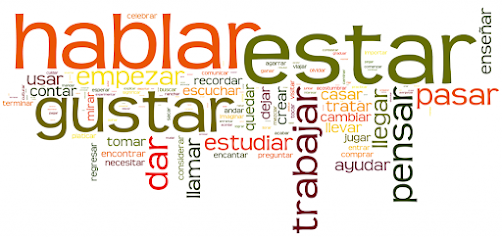
  對於西班牙語的初學者來說,其中一個最難掌握的範疇,相信應該是動詞的各種不同時式了。每一個動詞本身就已有6種主語身份(即「我」、「你」、「他/她」「我們」、「你們」、「他/她們」)的動詞結合,而西語動詞又有超過8種時式(暫且不計複合時式),這樣一乘下來,每個動詞都有接近50種形態。此外不要忘記西語動詞還有很多看似不規則的變化,只是死記硬背,面對這麼多個千奇百怪的字串,恐怕會有一種絕望的感覺吧? 這種感覺,筆者當年初接觸西語時就經歷過了。 經過多年漫長的過程後,現在總算學會了這些字詞變化的規律。但回想起來,我認為如果當時學習時式的次序能夠改變一下,應該就能讓初學者更快、更有系統地掌握西語動詞的慨念。因此,我總結自己的經驗得出一些學習心得,在此分享一下。 以下的內容,是以讀者已經對西語時式有基本了解為前提。如果閣下是西語新手,則要先了解西語有哪些動詞時式變化。 西語動詞時式系統學習次序 類似以下的時式表,恐怕大家在網上已經見過了: Infinitivo hablar Pronombre Presente Pretérito Imperfecto Futuro Condicional Indicativo yo tú el / ella / usted nosotros(as) vosotros(as) ellos / ellas / ustedes hablo hablas habla hablamos habláis hablan hablé hablaste habló hablamos hablasteis hablaron hablaba hablabas hablaba hablábamos hablabais hablaban hablaré hablarás hablará hablaremos hablaréis hablarán hablaría hablarías hablaría hablaríamos hablaríais hablarían Presente Imperfecto Futuro Subjuntivo yo tú el / ella / usted nosotros(as) vosotros(as) ellos / ellas / ustedes hable hables hable hablemos habléis h...

Can we not say "Skypie" anymore?

圖片
Sorry if I sound arrogant, but I'm basically fed up with people continuously mispronouncing the word "Skype" all the time. Ever since the launch of this voice talk program a few years back, I've been hearing people from Hong Kong and China calling it "Skypie". I'm not sure as to where and who first started to spread out this alien articulation, but pardon me, for those who have learnt English for so many years, especially the better educated ones, do you just follow suit without a single second of hesitation? I'm aware of the painful fact that the rules of English pronunciation are usually disguised in some vague underlying principles, and it is particularly true when it comes to vowels. Unlike Spanish, which is essentially "what you write is what you hear", the presence of the "schwa" sound in English vowels often make them not distinguishable from each other when they are not stressed in the word. Having said that, it does NOT j...